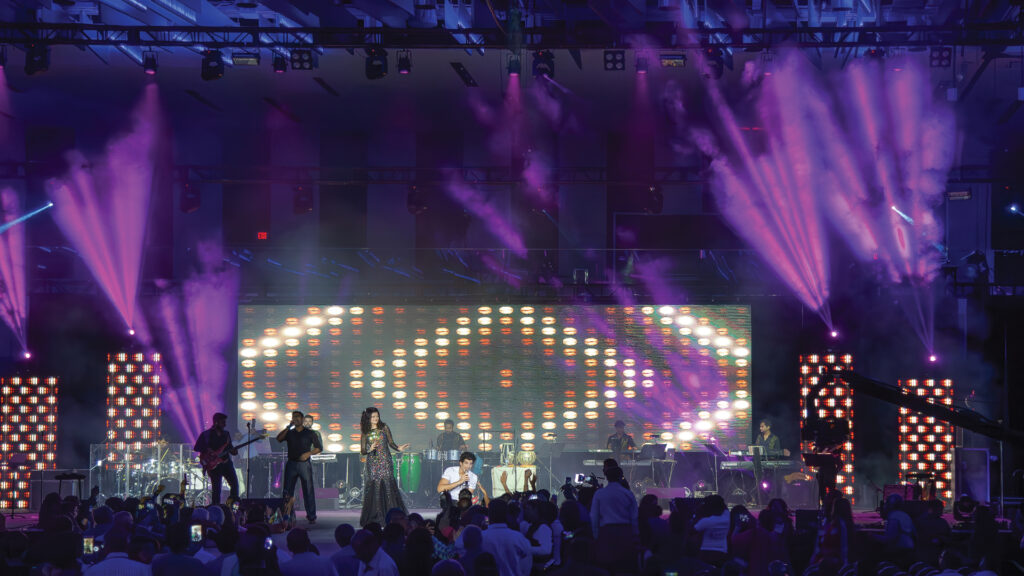
The Uniformity Standard: What Even Bass Coverage Actually Means in Practice Uniform bass coverage across a festival ground is not a single technical specification — it is a multi-layered engineering…
The Uniformity Standard: What Even Bass Coverage Actually Means in Practice Uniform bass coverage across a festival ground is not a single technical specification — it is a multi-layered engineering…
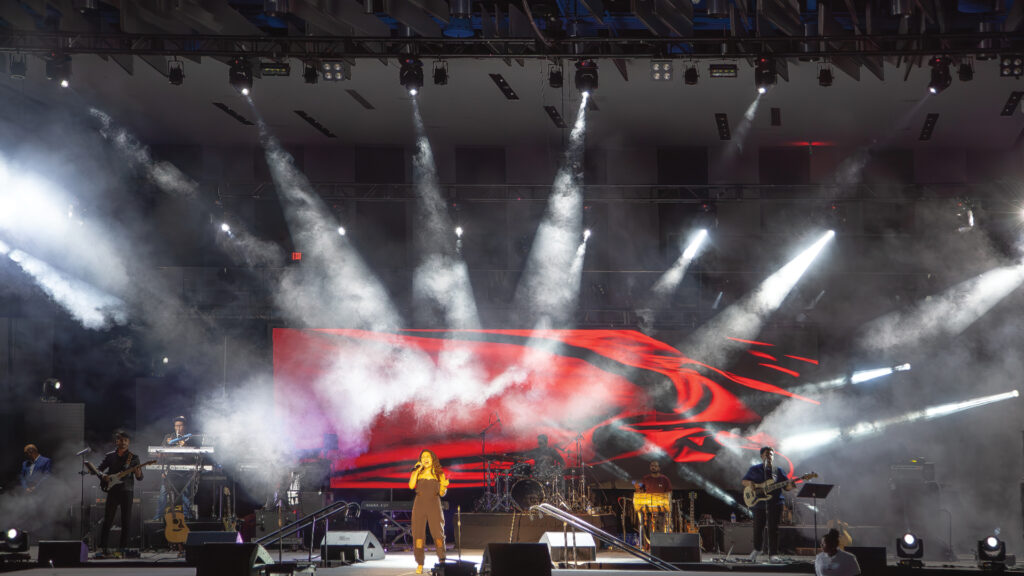
The Wireless Revolution: How Astera Untethered Event Lighting From the Cable Grid In 2012, when Astera GmbH shipped its first AX1 PixelTube to a handful of German event companies, it…
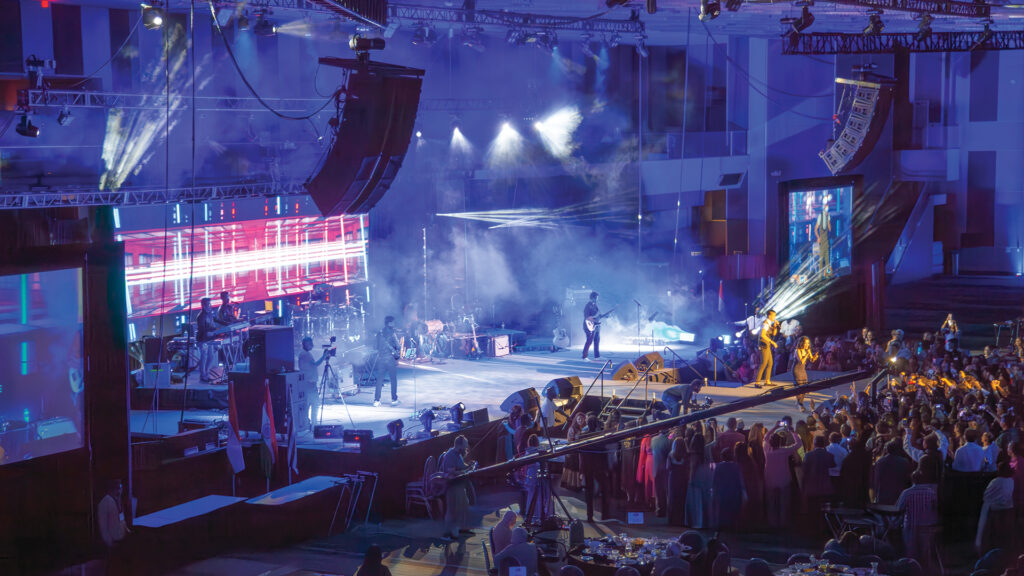
The Geometry of Perfect Coverage: Splay Engineering Across Every Venue Type The line array is the dominant paradigm in professional sound reinforcement — a column of individually driven loudspeaker elements…
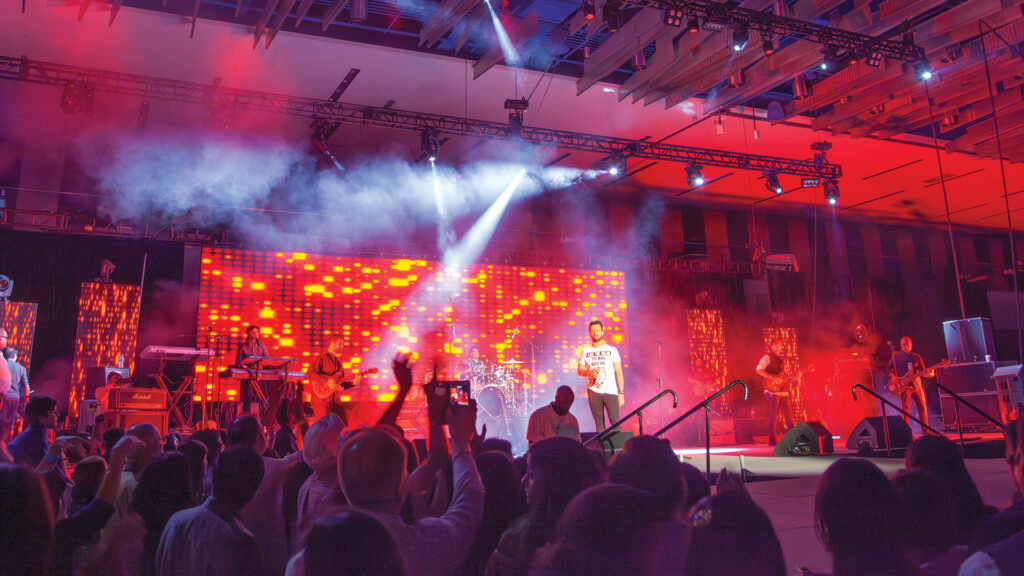
The Hidden Cost Revolution: How Wireless LED Technology Rewrote Touring Budgets The most significant cost savings in contemporary touring production are not found in negotiating lower venue fees or compressing…
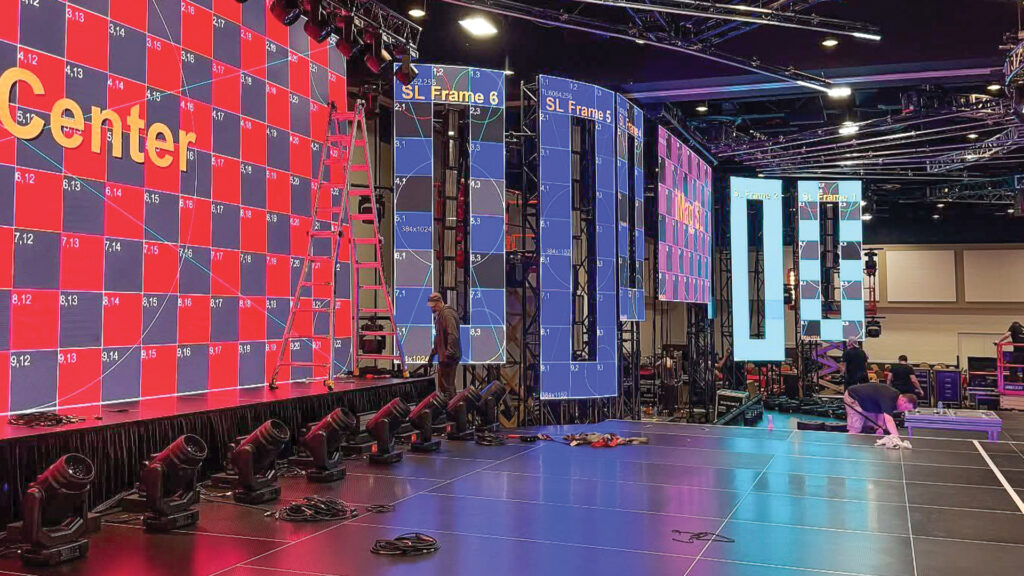
A Continent-by-Continent Breakdown of the Global LED Infrastructure Boom The global LED video wall market crossed USD 10 billion in annual value by 2023, according to industry analysis from Grand…
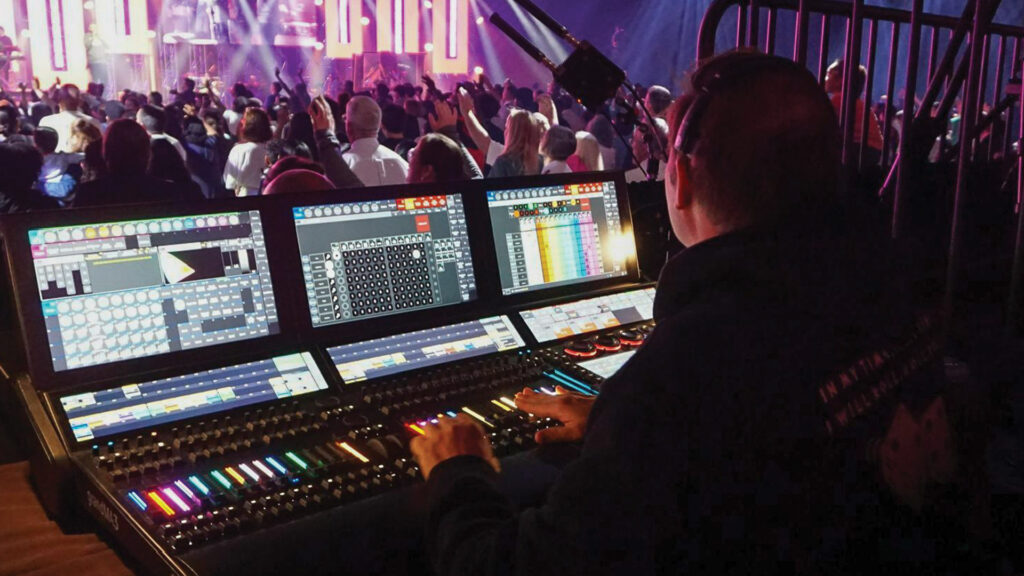
Command, Control, and Chaos: How the GrandMA3 Became the Lighting Brain of Complex Productions There is no lighting console in the world that has logged more collective hours coordinating multi-stage…
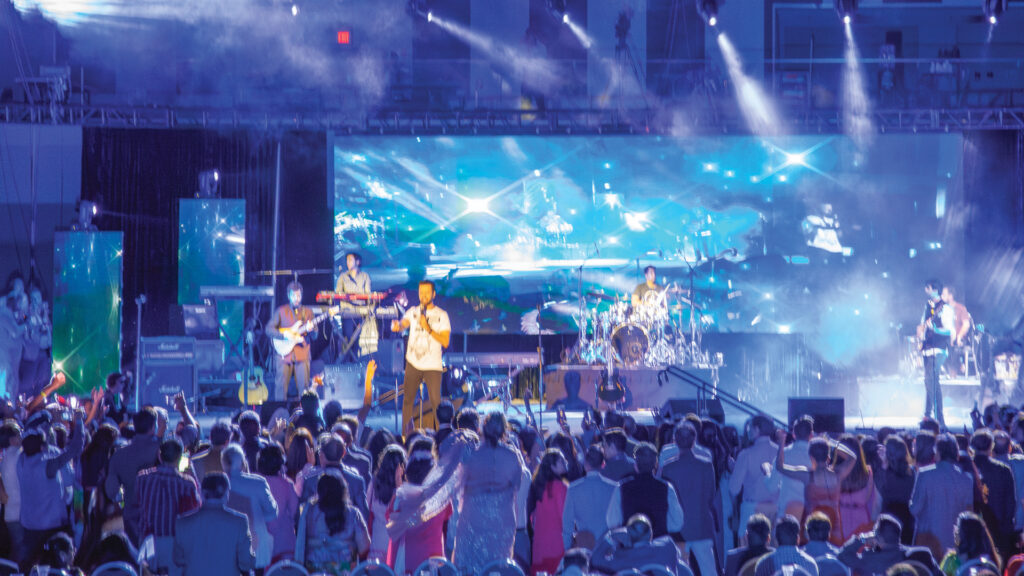
The Big Three: How Three Companies Came to Define the Sound of Live Entertainment There is a statistic that crystallizes the extraordinary market concentration in professional touring audio: the overwhelming…
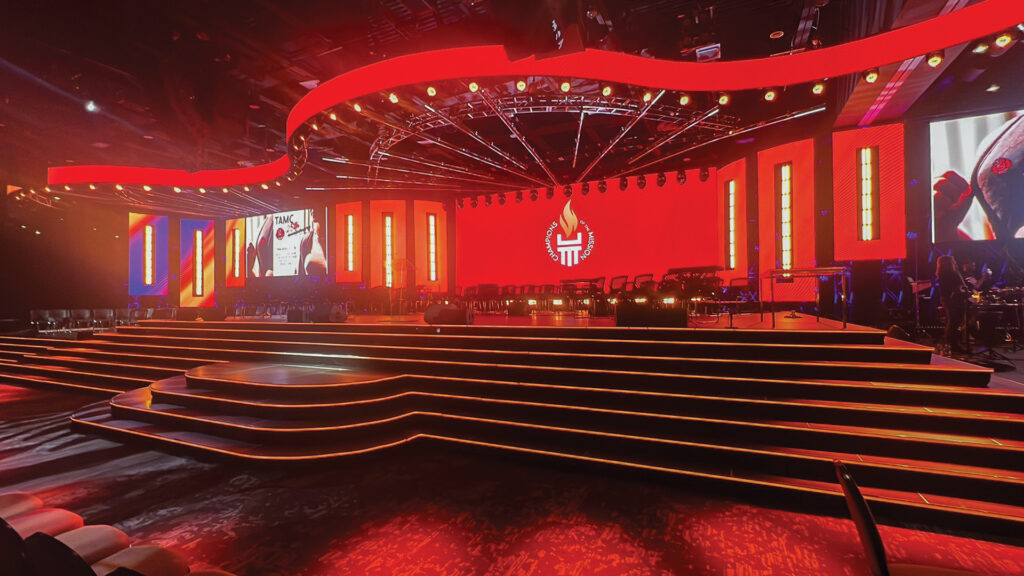
When the Screen Becomes the Stage: LED Walls in the Broadcast-First Era The convergence of live event production and broadcast television has created a design paradigm unrecognizable to engineers who…
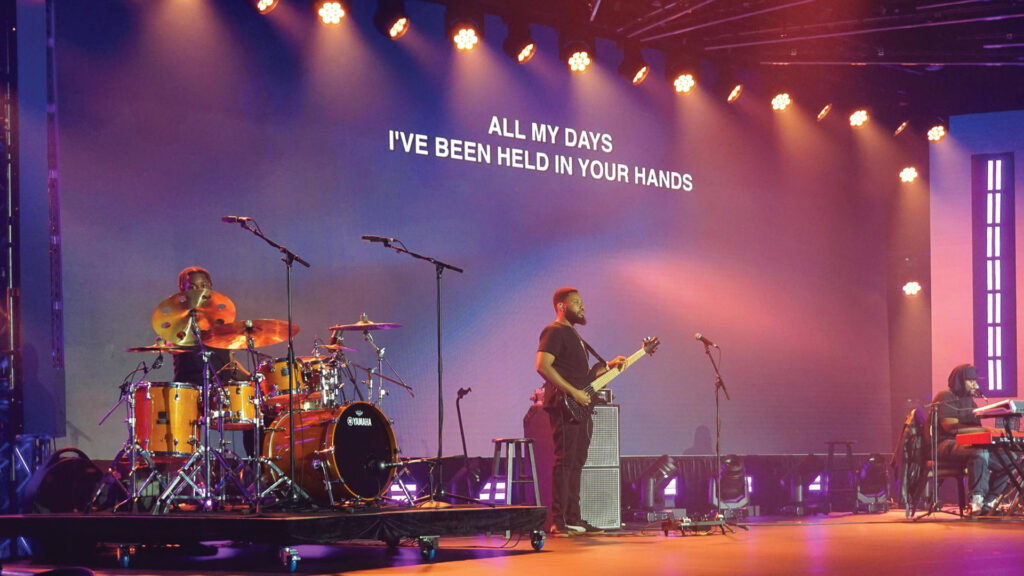
Open Mics, Hot Channels, and Unfiltered Moments The Treacherous Nature of Audio Pickup Shure has been manufacturing microphones since 1925, their SM58 becoming perhaps the most ubiquitous vocal microphone in…
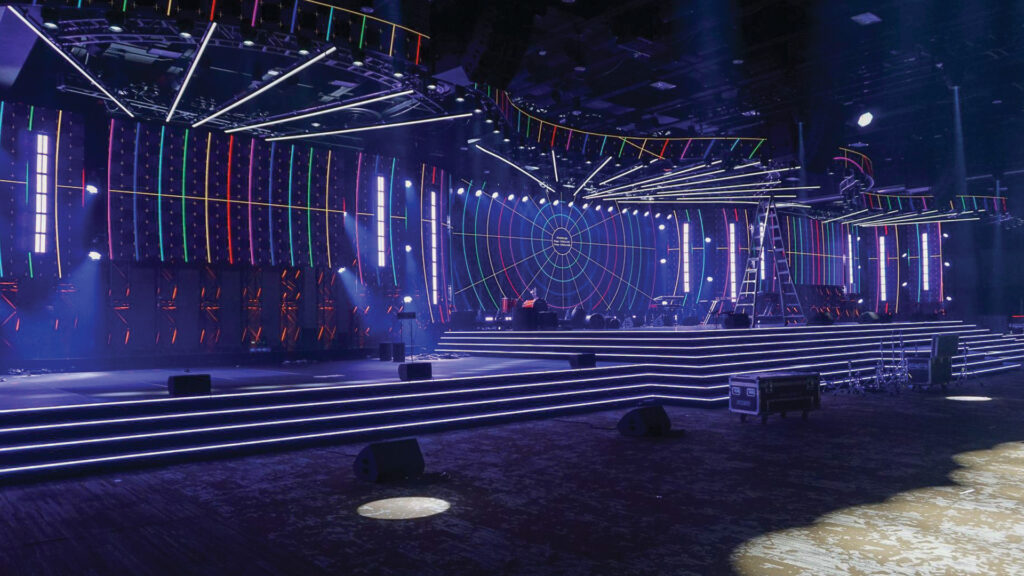
Something shifted in corporate staging around 2021. Scenic designers who had spent decades thinking in horizontal orientations—wide screens, lateral scenic elements, audience sightlines optimized for breadth suddenly began stacking pixels…